
What We’ve Been Reading—Summer 2025
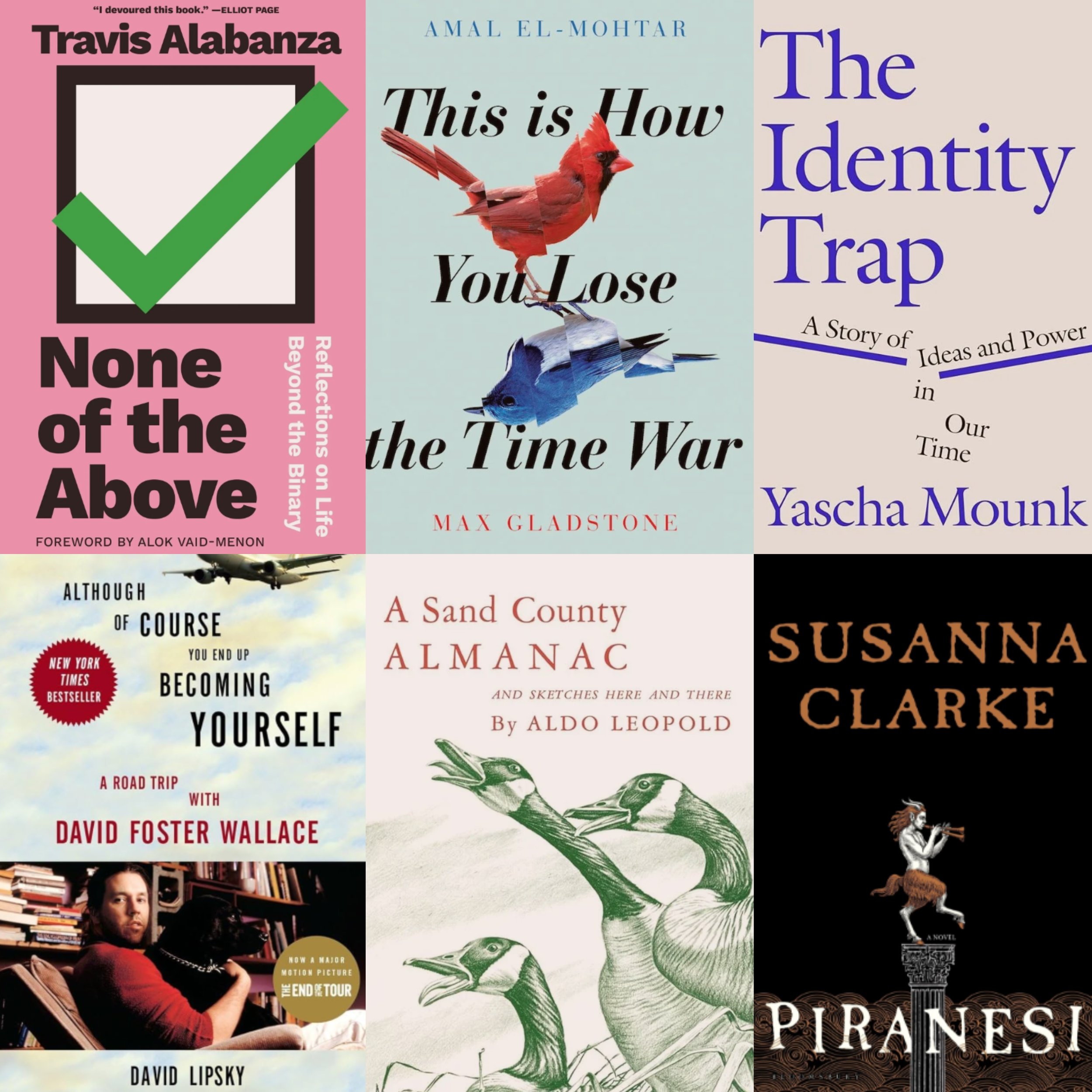
As summer comes to a close, some of our MJLC staff members have been reflecting on their favorite abolitionist reads of the season. Below are a few of their recommendations!
Hannah’s Pick
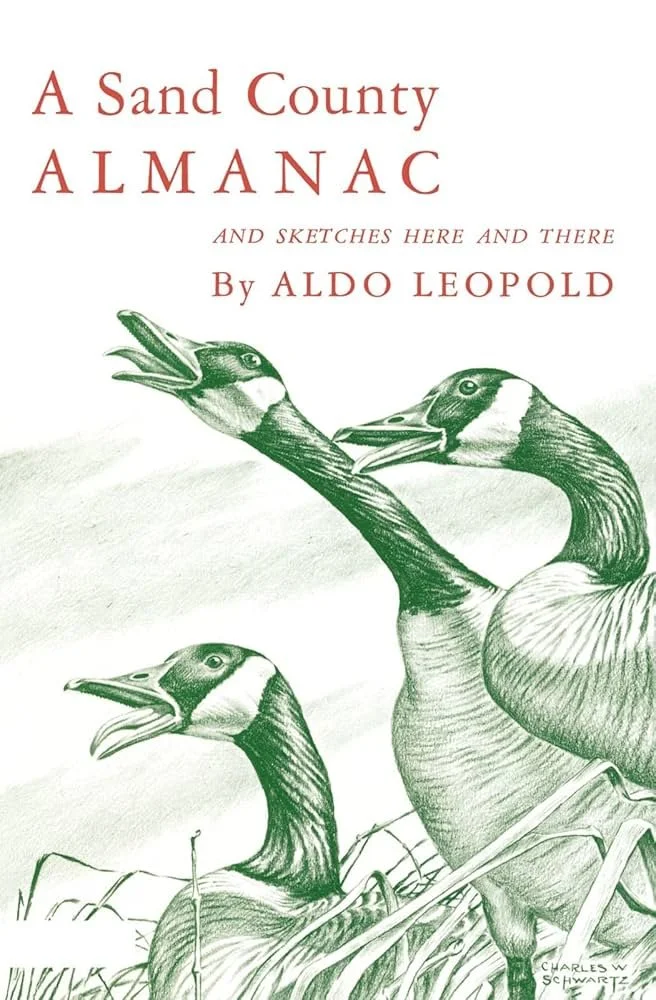
Title: A Sand County Almanac (1949)
Author: Aldo Leopold
Genre: Non-fiction, philosophy
Description: A collection of essays about nature written by Aldo Leopold, a Wisconsin conservationist known for originating the “land ethic” philosophy.
Why: This book is a perfect late-summer-early-fall read and will change the way you see the world around you! Leopold has a gift for pointing out the beauty in the things we may consider mundane or commonplace, and reading his essays will inspire you to do the same. As we become more and more removed from our natural world due to the pressures exerted by the carceral/capitalist state, it is more important than ever to reconnect with the life around and within us. A Sand County Almanac is a beautiful reminder that we have a responsibility to our environment and each other, and that it is within the freedom of nature where we will find our liberation from the self-destructive systems we’ve created!
Max’s Pick
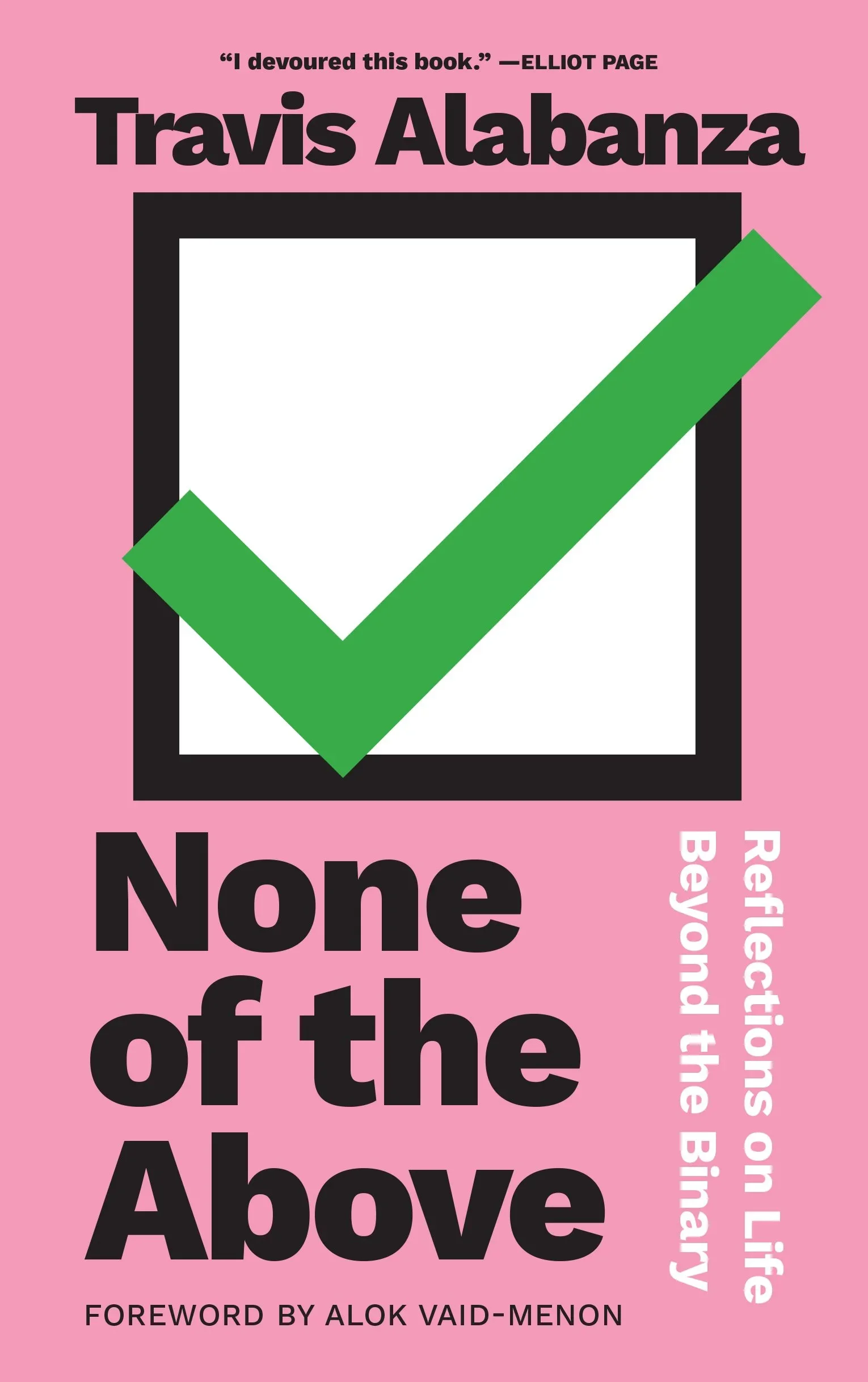
Title: None of the Above (2022)
Author: Travis Alabanza
Genre: Non-fiction, memoir
Description: Organized into seven sections characterized by phrases—both celebratory and discriminatory in nature—spoken to the author, None of the Above tells a story of the modern non-binary experience.
Why: Travis Alabanza uses a perfect mix of terse humor and thought-provoking analysis to inform you about their personal experience as a trans person of color. They skillfully transition from heart-wrenching anecdotes to research-based conclusions to reveal the undeniable harmfulness of the gender binary. Mainstream society promotes this strict binary in ways that are extremely hard to uncover, but Alabanza’s self-reflection and contextualization rub off on the reader, effectively promoting a higher awareness of both oneself and the functioning of humanity as a whole.
Shu’s Pick
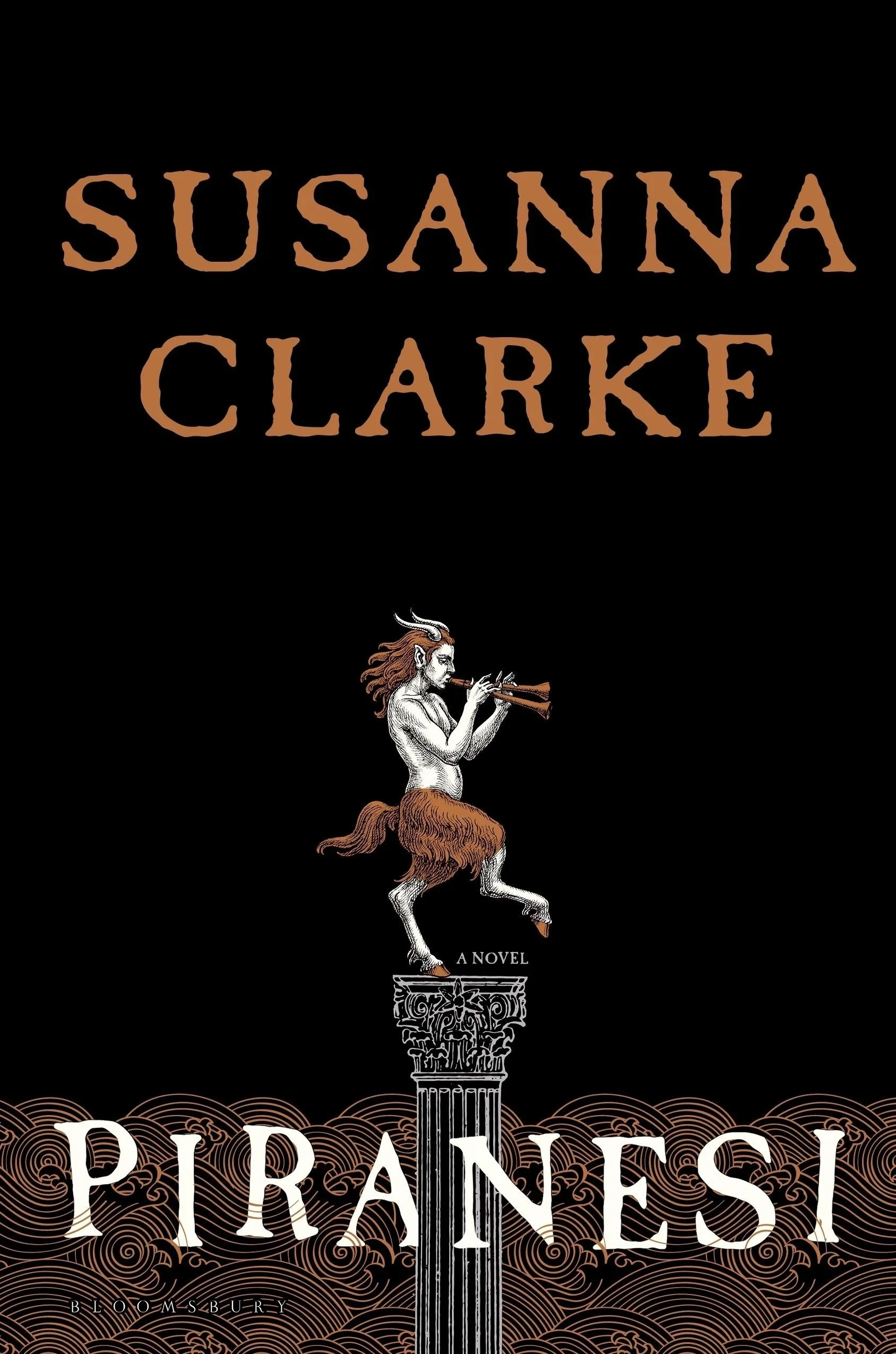
Title: Piranesi (2020)
Author: Susanna Clark
Genre: Fantasy, magical realism, speculative fiction
Description: “Piranesi’s house is no ordinary building: its rooms are infinite, its corridors endless, its walls are lined with thousands upon thousands of statues, each one different from all the others. Within the labyrinth of halls an ocean is imprisoned; waves thunder up staircases, rooms are flooded in an instant. But Piranesi is not afraid; he understands the tides as he understands the pattern of the labyrinth itself. He lives to explore the house.
There is one other person in the house—a man called The Other, who visits Piranesi twice a week and asks for help with research into A Great and Secret Knowledge. But as Piranesi explores, evidence emerges of another person, and a terrible truth begins to unravel, revealing a world beyond the one Piranesi has always known.”
Why: Piranesi has been one (of many) books on my “TBR” that I have been slow to get around to actually reading. Despite my procrastination, I read the book quite fast. What I intended to just be an hour or two of casually reading in the sun turned into an all day affair; before I knew it, I was done with it.
The book itself reminds me of a gift wrapped in layers, each one unveiling a puzzle underneath required to penetrate further through. There is so much detail, yet an air to the novel that lures the reader in and provokes an unending sense of intrigue, something that lingers even after the final page. In all honesty, it’s a difficult book to describe (at least without giving too much away). To fully appreciate it, I believe you have to go into it blindly, but open-minded, and just let yourself fall into the story alongside Piranesi.
Quinn’s Pick
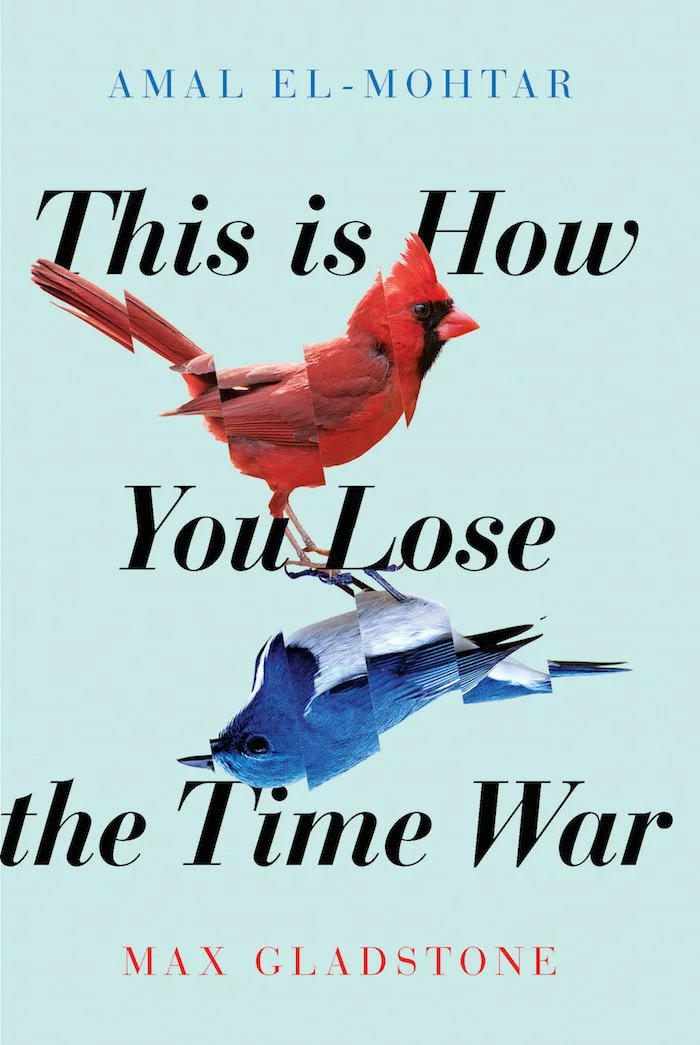
Title: This is How You Lose the Time War (2019)
Authors: Amal El-Mohtar and Max Gladstone
Genre: Fiction, science fiction
Description: Blue and Red, two women-like agents on opposing ends of a time war, cross paths and start writing letters to each other while traveling and molding strands of time for their respective factions.
Why: Amal El-Mohtar and Max Gladstone managed to create a devastatingly human and honest queer love story unbound by the constraints of reality. Fighting for the abolition of the carceral state mimics this duality sometimes, pushing and pulling between the realities of daily life and the liberating feeling of cutting ties with a caged way of living. Amidst discussions of an insatiable hunger, childhood loneliness, or which strand of time has the best Atlantis, Blue and Red learn what it means to both succumb to our desires and defy whatever constraints are keeping us from feeding our incessant need to be free.
Lilly’s Pick (1)
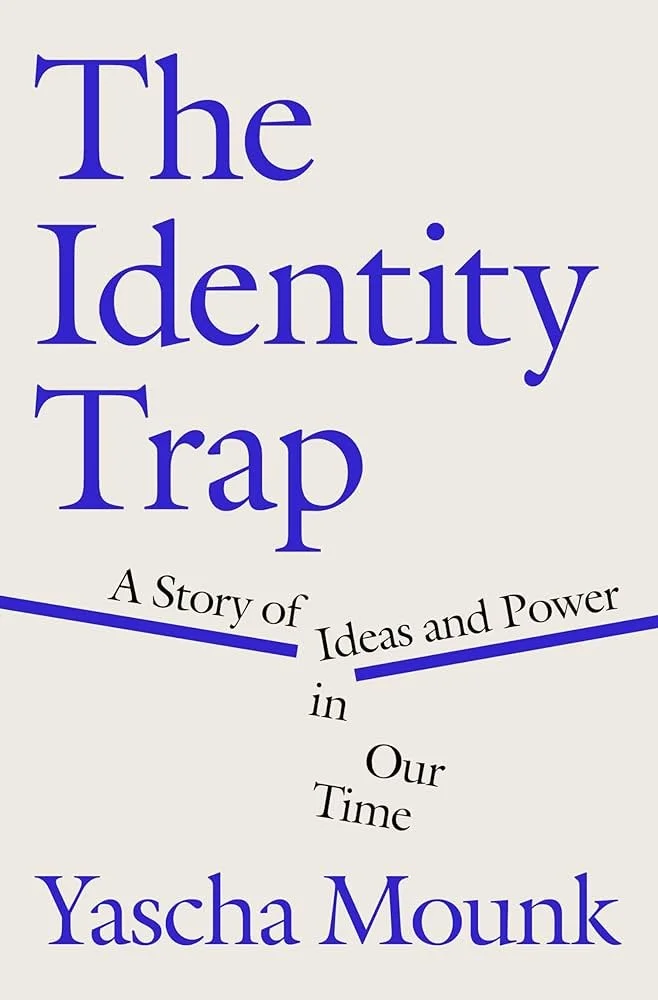
Title: The Identity Trap: A Story of Ideas and Power in Our Time (2023)
Author: Yascha Mounk
Genre: Nonfiction, philosophy, sociology, political science
Description: Yascha Mounk explains how the concept of “identity synthesis” came into being in the late 20th century and migrated from classrooms to the general public. He details the pros and cons of the identity synthesis, then makes an argument for its integration in popular culture rather than its segregation.
Why: This book gave me a lot to think about. It’s structured very nicely, and Mounk evaluates issues of censorship, social tyranny, and racial and cultural tension from a philosophical, rather than political point, of view. He evaluates the methods by which we attempt to make social progress, identifying what works and what does not.
Lilly’s Pick (2)
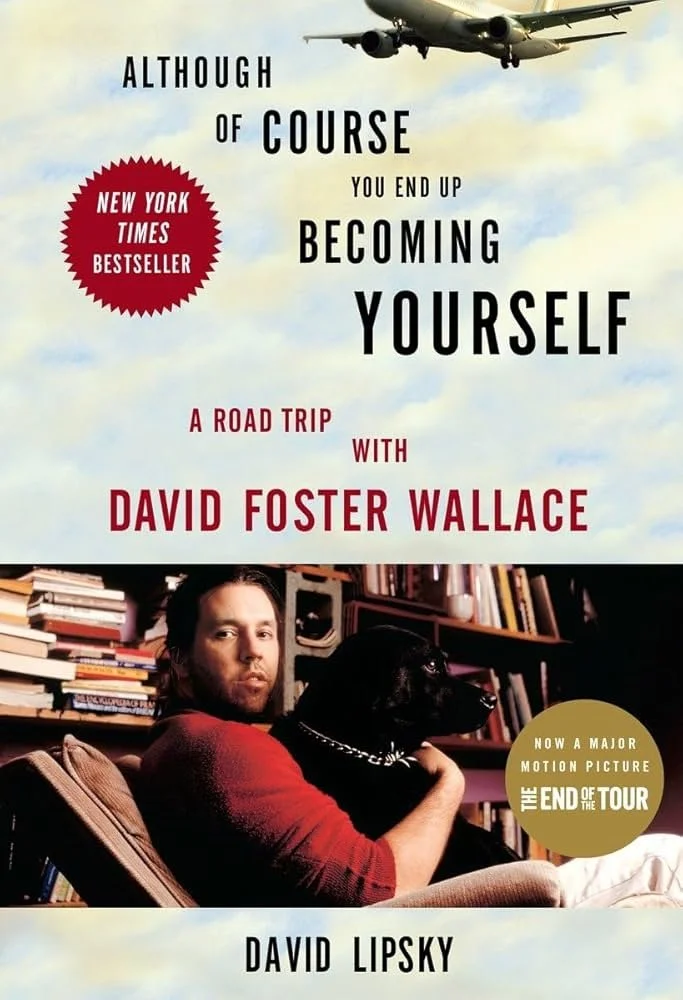
Title: Although of Course You End Up Becoming Yourself: A Road Trip With David Foster Wallace (2010)
Author: David Lipsky
Genre: Memoir, biography
Description: This novel is a palaver spanning across multiple days, detailing the interactions between David Foster Wallace, author of Infinite Jest, and David Lipsky, a fiction writer who was working as a journalist at the time. Lipsky set out to interview Wallace at the end of the book tour for Infinite Jest (1996), joining him on his journey to various places including a radio interview, a class that he was teaching at the time, and the novel’s final reading in Minneapolis. They talk about writing, dealing with fame, and strategies for living. This project was put together after Wallace’s suicide in 2008 and meant as a tribute to his memory. There’s also a movie adaptation titled The End of the Tour, available for streaming on Apple TV.
Why: Honestly, this is one of my favorite books (so I might be stretching this a bit), but I think compassion and giving people grace are really important aspects of abolition, and I think that Wallace—at least in this interview—does a very good job of giving Lipsky grace and being radically open and compassionate. I, personally, struggle with being sensitive to hostility in social spaces, which can make it hard to stick to my values of compassion and kindness, so this was a very grounding book for me. Lipsky also writes about America a lot, and even though it was written nearly 30 years ago, many of his observations could be applicable to America today. It’s actually a bit chilling. Overall, this book is just a lovely tribute to a very talented author, has very cool formatting, and offers some helpful writing tips, if nothing else.
Interested in learning more about abolition and discussing relevant literature in a group setting? Join the MJLC for study group this Fall 2025! More information on meeting dates and locations will be available soon. Follow @themjlc on Instagram for more updates!